Why Use 6 Emotional Wellness Strategies to Find True Happiness?

When we live such a busy and sometimes hectic life, it is necessary to provide emotional wellness in order to have a healthy mind. Emotional wellness is the ability to know, handle and communicate emotions in a positive way. It includes the capacity to cope with stress, develop meaningful relationships as well as have a positive view of life. In this paper, we shall discuss practical emotional wellness practices which you can adopt in your day to day life to enhance your mental health.
The knowledge of Emotional Wellness
Emotional wellness is not only the prevention of negative feelings but a state of mental health, as a consequence of which you are able to identify your feelings, manage difficulties, and enjoy your life in general. The World Health Organization defines mental health as a condition of good health whereby individuals are able to perceive their full potential, handle the usual stress that is associated with life, work effectively and contribute to society.
Life Case Study: The Journey of Emily
Take the case of Emily who was 28 years old and was a graphic designer but she was easily carried away by her emotions. However, she had a problem with anxiety and self-doubt though she had managed to have a successful career. Having addressed a therapist, Emily got acquainted with emotional wellness techniques that allowed her to control her emotions better. Through the practices that she has put into her everyday life, she has become more balanced, less anxious and better able to manage the state of her mind over-all.
The most important Emotional Wellness Strategies
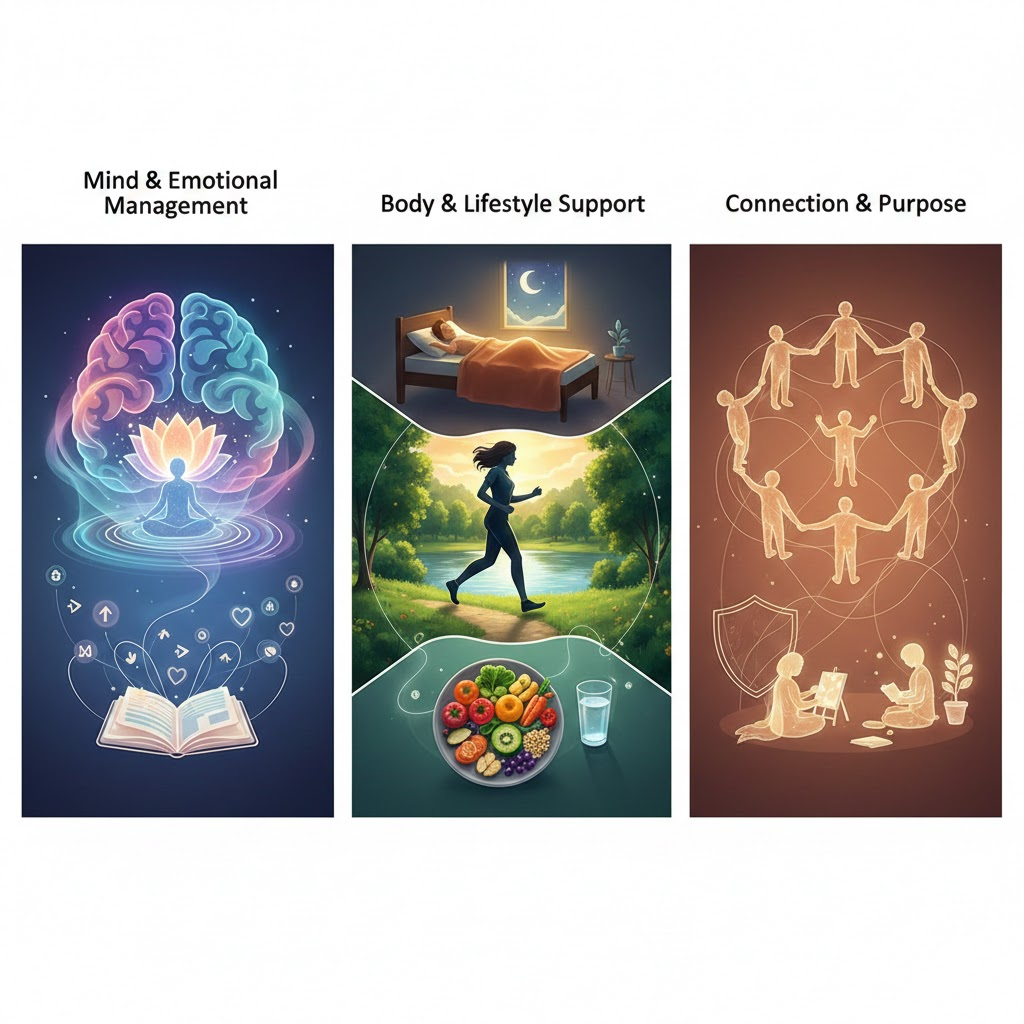
The following are some of the practical emotional wellness strategies that should assist you to improve your mental health on a daily basis.
1. Be Mindful and Meditating
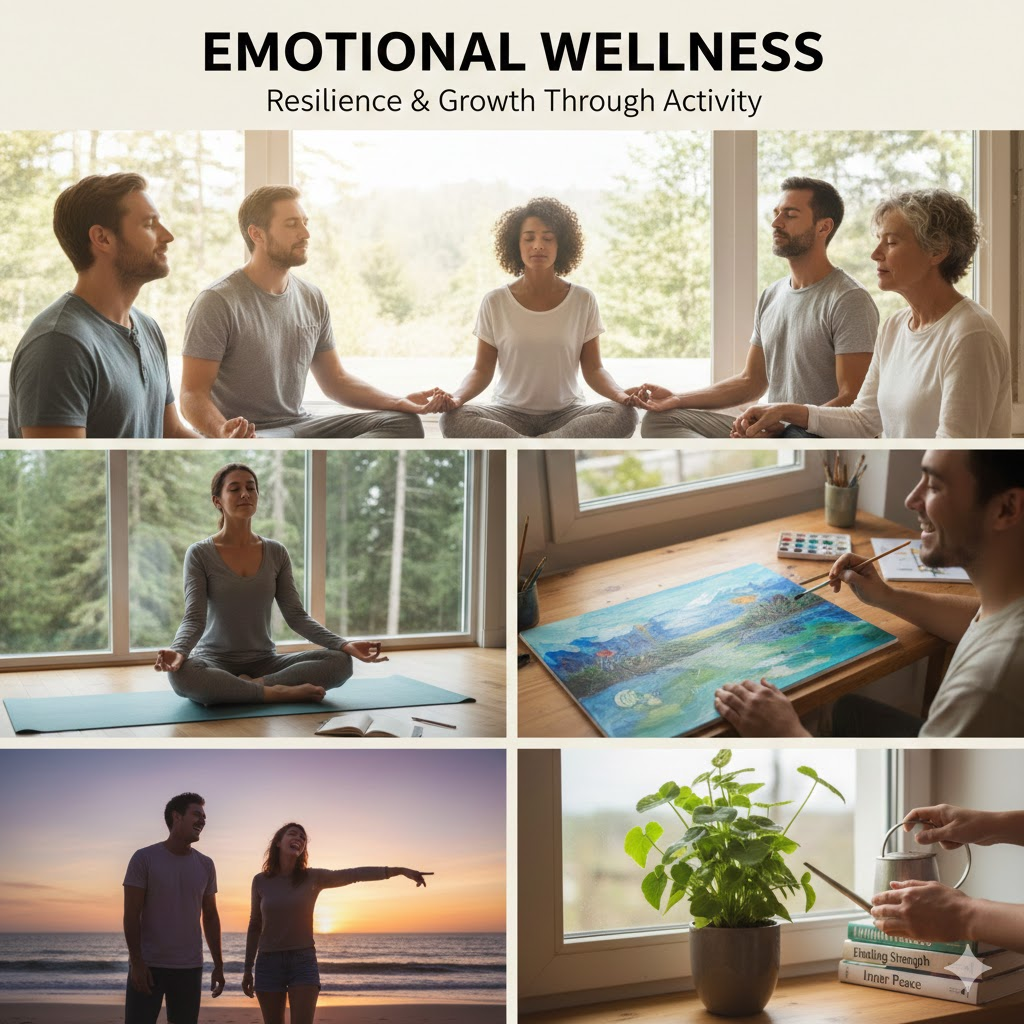
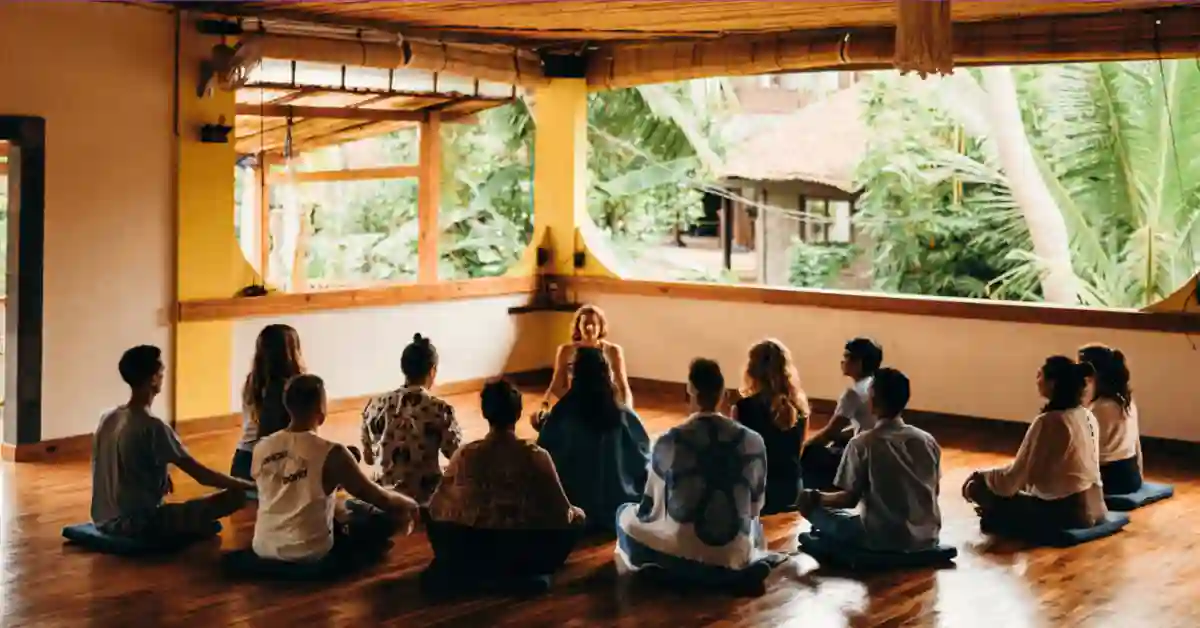
Mindfulness is the act of being completely aware of what is going on in the present and non judgmental of your thoughts and feelings. Meditation also can guide you to become mindful, less stressed, and emotionally clear.
How to Practice Mindfulness:
Mindful Breathing: Spend some time daily concentrating on your breath. You should inhale deeply via your nose, pause and then exhale gradually. This is an easy habit which can be used to focus your mind and get away with anxiety.
- Body Scan: Take a few minutes a day or several days a week to perform a body scan, i.e. concentrate on every part of your body observing the tension and/or discomfort. This habit encourages relaxation and self knowledge.
2. Foster an Attitude of Gratitude
Appreciating can also do a lot to make you feel better. It has been found that recognizing the good things in your life on a regular basis could make you happier and less depressed.
How to Cultivate Gratitude:
- Gratitude Journal: Have a journal that you write three things that you are thankful about at the end of the day. This is a very basic way of putting your mind in the right direction and forgetting about the negative things.
- Thank You Notes: You can also write a thank-you note to anybody who has made a positive difference in your life. The practice helps in creating a bond plus strengthening good relations.
3. Build Strong Relationships
Emotional wellness depends on social associations. By fostering relationships with family members, friends and colleagues you might have, you can get through the tough times and also increase your happiness.
Suggestions to Enhance Relationships:
Plan Scheduled Visits: It is a good habit to visit friends and family, be it by calling, texting, or visiting them. Constant communication is in order to keep strong ties.
- Become a Member of a Community Group: Participate in clubs or groups that interest you, e.g., a book club, a sports team or a volunteering organization. The activities build new relationships and develop a feeling of belonging.
4. Engage in Physical Activity
Emotional wellness is closely associated with physical health. Working out will get you endorphins, and this will make you feel better and less stressed.
How to Incorporate Exercise:
- Select Activities that you like: It can be dancing, hiking, and yoga, or other activities that you enjoy doing so that exercising can become more fun.
- Establish Realistic Objectives: Strive all days of the week to do at least 30 minutes of moderate activity. Begin with tiny achievable objectives and incrementally progress in terms of activity.
5. Prioritize Self-Care
To be emotionally healthy, self-care is necessary. Having some time off to yourself will help you to redefine yourself and cope with stress.
Self-Care Measures to be taken into account:
- Develop a Relaxation Schedule: Schedule at least one day a day to do whatever will help you to relax this could be reading, having a bath or doing some hobby.
- Limit Screen Time: Be conscious of your screen time and you can establish limits with social media and news consumption to prevent the sense of overwhelm.
6. Seek Professional Support
In case your emotional difficulties prove to be too annoying, then you should not be afraid to consult a professional. Extremely helpful support and individual based strategies can be offered by therapists and counselors.
When to Seek Help:
- Constant Doldriness or Apprehension: In case of persistent sadness or anxiety, and hopelessness, it is worth seeking the help of a mental health specialist.
- Problem Coping with The Stresses of Day-to-Day Life: In case you struggle with coping with daily stress, a therapist will help you to build coping mechanisms and resilience.
Conclusion
Emotional wellness is an essential element of mental wellness that should be attended and taken care of constantly. Through these strategies in your everyday life, you will be able to make your emotional state better, become more resilient, and create a positive attitude toward life. It is also worth remembering that emotional wellness is a process, and one should not be hasty with oneself and be patient as he/she goes through the process.
FAQs
1. What are the indicators of low emotional state?
Symptoms consist of chronic depression, anxiety, antisociability, isolation, and stress management problems.
2. What are the most common ways to practice mindfulness?
Mindfulness can be practiced by means of mindful breathing, meditation, and mindfulness in everyday activities, e.g., eating or walking.
3. Is it common to get assistance with emotional problems?
Absolutely! A good emotion may start by consulting with a mental health professional who will assist you in enhancing your emotional and general mental health.