Why Does 5 Minutes of Daily Meditation Kill Your Deep Anxiety?

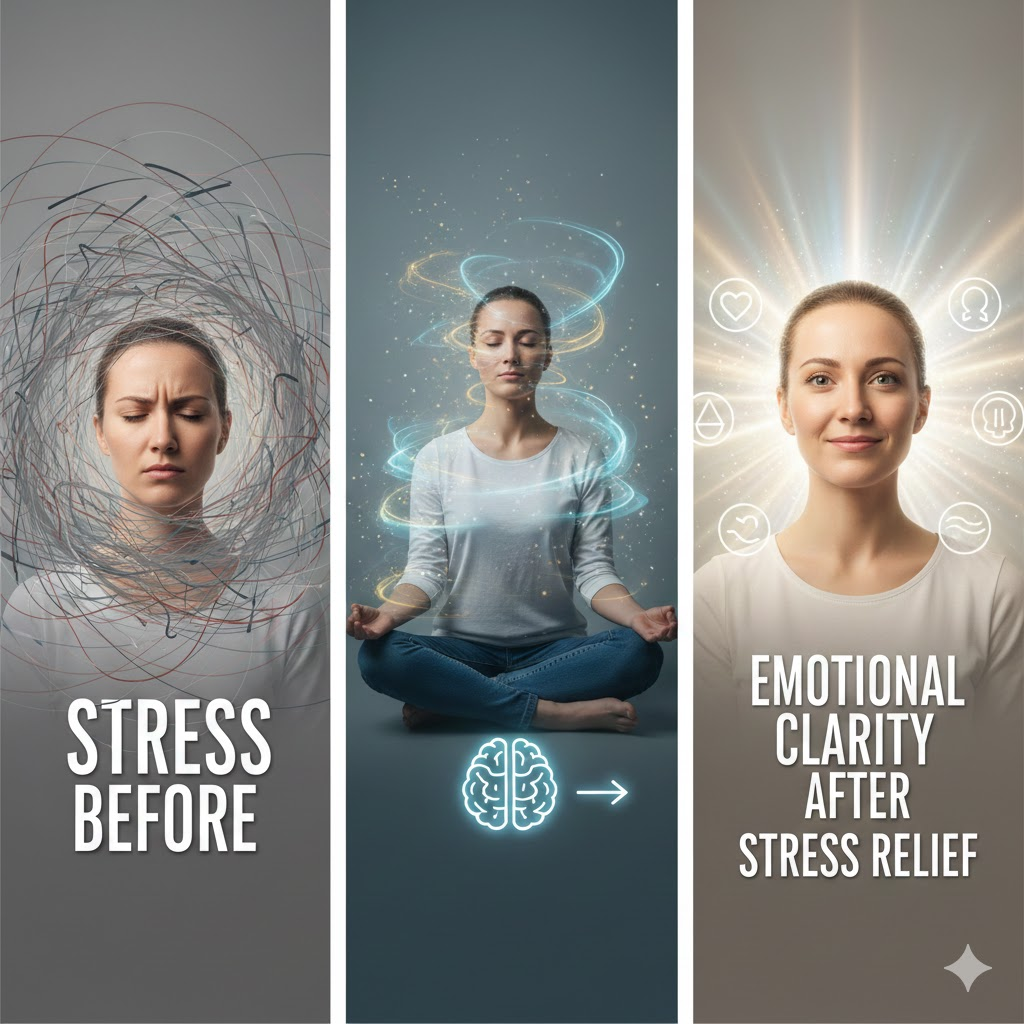
Stress appears like an inevitable aspect of life in the modern world, which is extremely fast-paced. Having deadlines to meet, bills to cover, and constant inundation of notifications, most people are overwhelmed. Yet, one of the potent means that can be used to fight this stress is meditation. This is an ancient mindfulness-based self-awareness practice, which has many advantages in terms of reducing stress and becoming emotionally clear. In this paper, we shall discuss how meditation can change your mind and improve your well being.
Learning about Stress and its effects
The natural reaction of the body to challenges and demands is called stress which is commonly known as fight or flight reaction. Whereas some degree of stress is stimulating, there are severe health complications, such as anxiety, depression and cardiovascular problems caused by incessant stress. The American Psychological Association recommends that your physical and mental health may be affected adversely by stress in the long term, and you may feel hopeless and exhausted.
Life Case Study: The Metamorphosis of Mark
Take the case of Mark who was a 35 years old teacher who was overloaded with responsibilities. Mark was anxious and irritable many times when dealing with grading papers, classroom behavior management, and his personal life. He has attended a mindfulness workshop and has made a decision to use meditation in his daily life. After a few weeks, he observed considerable improvements in the levels of stress, his mood, and his general attitude towards life. The power of meditation to change people is evidenced by the experience of Mark.
The Science of Meditation
Studies prove that meditation is successful to help cope with stress and enhance emotional clarity. In a study carried out in the journal Psychosomatic Medicine, mindfulness meditation has been discovered to reduce the level of cortisol hormone by a significant percentage. A different research published in JAMA Internal Medicine found that mindfulness meditation programs are capable of alleviating anxiety, depression, and pain.
How Meditation Works
Meditation enhances relaxation and therefore, stress is minimized. It promotes a redirect of attention on the external stressors to inner quietness. Through meditation, one gets to know how to perceive his thoughts without judgment, making them easier to handle their emotions and anxiety.
Major Advantages of Meditation in Stress Relief
1. Reduction in Stress Levels
Meditation can help decrease stress, and this is one of the main advantages of meditation. The habit will reduce the level of cortisol, resulting in a more relaxed and calm state of mind. One meta-analysis that was published in Health Psychology Review found that mindfulness meditation is effective in alleviating stress among different groups of people such as students, healthcare professionals and patients with chronic conditions.
2. Enhanced Emotional Clarity
Emotional clarity is achieved through meditation which promotes self-reflection and awareness. The more you train to be present, the more you are aware of your feelings and ultimately it becomes easy to control them. Considering this, in a study published in the Frontiers in Human Neuroscience, it was observed that individuals who practiced mindfulness meditation had better emotional regulation and were less reactive to the effects of stressors.
3. Better Concentration and Attention
Meditation also conditions the mind to concentrate and this could increase concentration and productivity. This is especially helpful in stressful situations such as the work situation in high-stress environments where distractions may result in pressure and consequently stress. A study conducted by Harvard Gazette established that mindfulness meditation would have the ability to thicken the prefrontal cortex, the part of the brain in charge of attention and decision-making.
4. Better Sleep Quality
Numerous people have sleep disruptions that are caused by stress. Through meditation, one can enhance the quality of sleep since it allows one to relax and lessen the rate of thoughts. In a research article published in JAMA Internal Medicine, mindfulness meditation enhanced the quality of sleep and lowered the amount of insomnia symptoms in the study.
5. Promotion of Resilience
A personal routine of meditation enables people to become resilient, and this way, they are better able to deal with stress. With a mental buffer against stressors, people will be able to react to the challenges with a clear mind and with a more relaxed attitude. A study conducted in Psychological Science concluded that mindfulness training improves emotional distress and resilience.
Introduction to Meditation
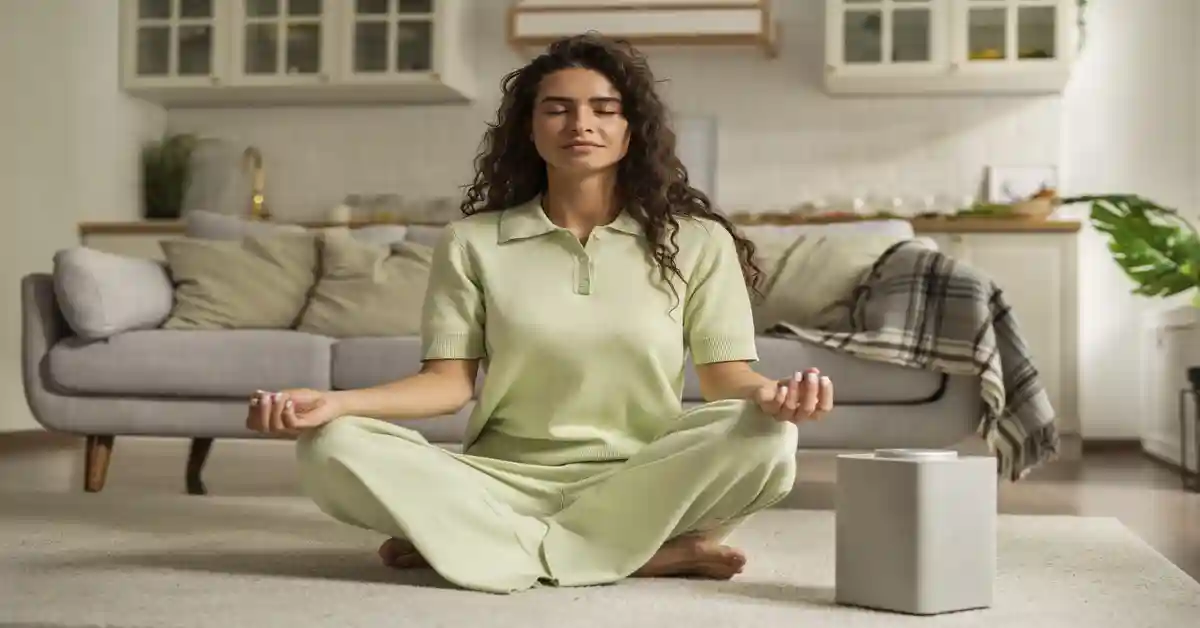
When one is new to meditation, it may be difficult to begin a practice. Nonetheless, meditation can be easy and light-hearted when it is incorporated into your routine. You may start by the following tips:
1. Choose a Quiet Space
You must find a place free of distractions where you can sit or lie down in a comfortable position. This may be a part of your room, a park or even a silent office.
2. Start with Short Sessions
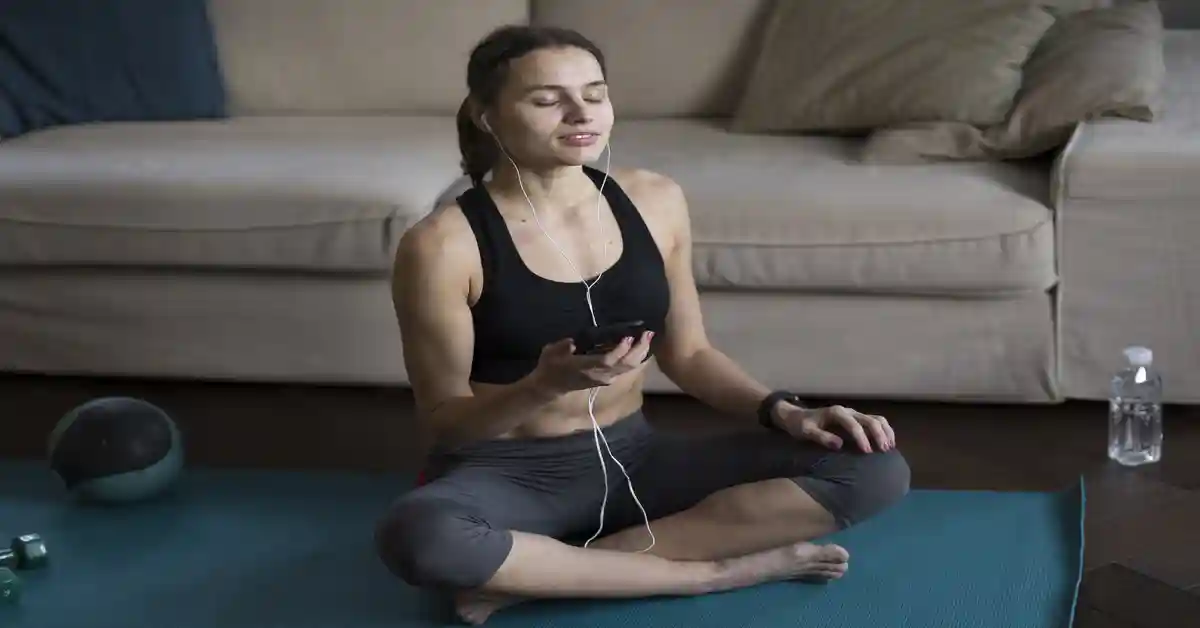
Start with 5-10 minutes of meditation a day. Gradually build up on the time as you grow. Calm and Headspace are apps that have guided meditations that can assist you in relaxing into the practice.
3. Focus on Your Breath
One such easy way is concentration on breath. Breathe deeply using your nose, pause then breath out slowly using your mouth. When some thoughts distract you, kindly come back to your breath.
4. Be Mindful During the Day
Integrate mindfulness in your day-to-day life. You can do this when you are eating, walking, and even when washing dishes, be aware of the senses, sounds, and smell in the environment. This will assist in making you more mindful and help you to be less stressed.
5. Be Patient with Yourself
Meditation is a practice that cannot be achieved instantly. Be patient with yourself and practice will develop itself. Do not forget that your mind is supposed to be wandering; all that is required is to refocus your mind.
Conclusion
Meditation is an effective comrade in the pursuit to relieve stress and find clarity of emotions. Including meditation practices in your daily life, a person will be able to develop a stronger sense of tranquility, improve his emotional state and quality of life in general. You are going to take this journey, but you should keep in mind that every minute of meditation is an investment in your psychological well-being.