Can 3 Advanced Breathwork Meditation Rhythms Heal Your Trauma?

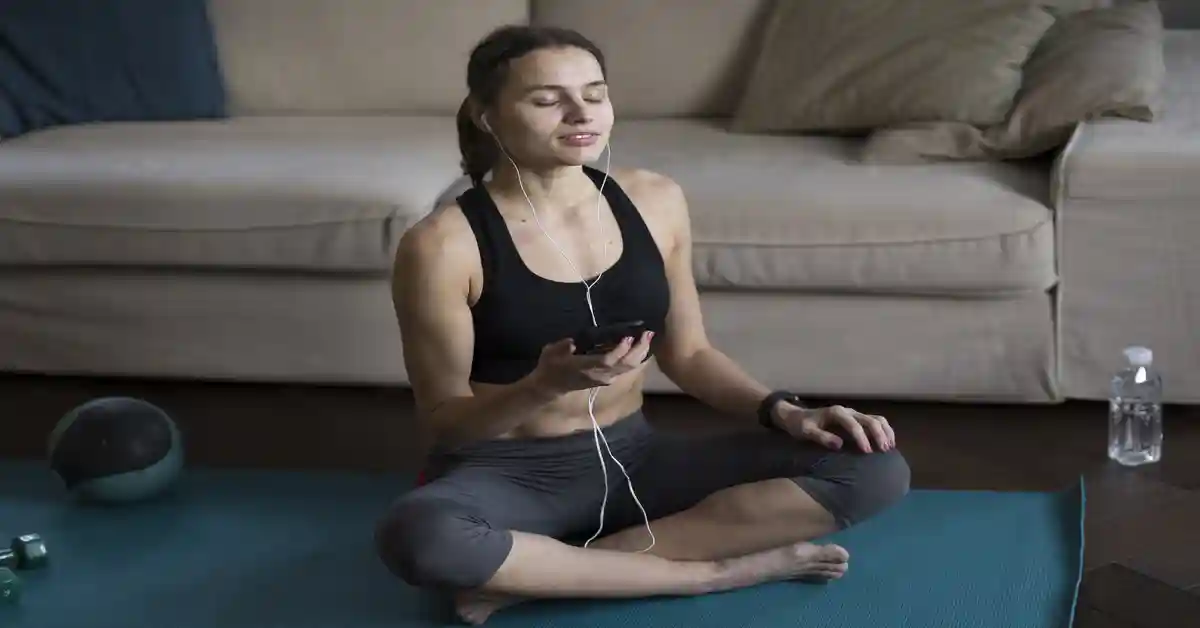
Breath is often treated as a relaxation tool, something we return to when life feels overwhelming. But at an advanced level, breathwork meditation techniques become something much deeper. They evolve into a form of nervous system training. Not a temporary escape from stress, but a way to reshape how the body responds to pressure, emotion, and uncertainty.
For experienced practitioners, the real work begins after the basics. Once awareness of breath is established, the question shifts. How do you use breath intentionally to regulate the nervous system? How do you calm the body without suppressing emotion? And how do you build somatic awareness that allows regulation to happen naturally, rather than by force?
Why Nervous System Regulation Requires More Than Basic Breath Awareness
Basic breath awareness helps you notice stress. It helps you pause. But noticing is not the same as regulating. Many people reach a plateau where simply observing the breath no longer creates meaningful shifts in anxiety, emotional reactivity, or chronic tension.
The reason is simple. The nervous system does not respond to awareness alone. It responds to patterns. Long-held breathing habits are tied to survival responses developed over years, sometimes decades. Shallow breathing, breath holding, and irregular rhythms are not random. They reflect how the body learned to stay safe.
Advanced breathwork meditation techniques work because they actively engage these patterns. They introduce new rhythms, new pauses, and new sensory experiences that the nervous system can trust. This is where vagus nerve calming becomes possible, not as a concept, but as a felt experience.
Understanding the Nervous System Through a Somatic Lens
At an advanced level, understanding the nervous system is less about anatomy and more about sensation. The body speaks through tightness, warmth, vibration, heaviness, and ease. Somatic awareness allows you to listen without immediately trying to change what you feel.
The sympathetic and parasympathetic responses are not abstract states. They show up as real physical signals. A racing chest. A collapsed posture. A sudden wave of fatigue. Breathwork meditation techniques become effective when they are applied in response to these signals, not in isolation.
From a somatic perspective, breath is not something you do to the body. It is something you do with the body. Each inhale and exhale becomes a conversation with the nervous system. Advanced Breathwork Meditation Techniques That Actively Regulate the Nervous System
Coherent Breathing for Vagus Nerve Calming
Coherent breathing is one of the most effective techniques for vagus nerve calming when practiced correctly. Unlike casual slow breathing, coherence relies on rhythmic precision. The nervous system responds to predictability. When the breath follows a steady, balanced rhythm, the vagus nerve receives a signal of safety.
In advanced practice, the focus is not on counting mechanically. It is on sensing the internal rhythm that emerges when breath, heartbeat, and awareness begin to synchronize. This state supports emotional regulation, improved focus, and a sense of grounded calm.
Extended Exhale Techniques for Stress Pattern Interruption
The exhale plays a critical role in nervous system regulation. Extended exhale techniques directly influence parasympathetic activation. They help interrupt stress loops that keep the body in a heightened state of alertness.
An advanced application requires sensitivity. Lengthening the exhale too aggressively can trigger breath hunger or anxiety. The goal is not to dominate the breath but to invite the body into release. A gentle extension, paired with relaxed facial muscles and softened shoulders, creates a signal the nervous system can trust.
Segmented Breathing to Restore Neural Balance
Segmented breathing involves dividing the inhale or exhale into smaller phases. This technique challenges habitual breathing patterns and brings awareness into areas of the body that often remain unconscious.
For nervous systems that swing between hyperarousal and shutdown, segmented breathing offers balance. It increases tolerance for sensation while maintaining control. The pauses between segments become moments where somatic awareness sharpens.
Integrating Somatic Awareness Into Breathwork Meditation
Tracking Sensation Without Cognitive Labeling
Advanced practitioners often over-analyze sensation. Somatic awareness deepens when sensation is tracked without naming or judging it. Instead of labeling a feeling as anxiety or calm, attention rests on texture, temperature, and movement.
This shift reduces mental interference. The nervous system responds more freely when it is not being interpreted. Breathwork meditation techniques become a mirror, reflecting what is present rather than trying to fix it.
Breathwork as a Tool for Stored Stress Release
Stress is not always released in dramatic emotional waves. Often it leaves the body quietly, through subtle shifts in posture, spontaneous breaths, or gentle tremors. Advanced breathwork meditation techniques create the conditions for this release without forcing catharsis.
Applying Breathwork Meditation Techniques During Nervous System Dysregulation
Using breathwork only when calm limits its effectiveness. True regulation happens when techniques are applied during moments of imbalance. This requires familiarity and restraint.
In states of overwhelm, the nervous system needs simplicity. Advanced breathwork meditation techniques are adapted, not abandoned. Shorter sessions, softer rhythms, and minimal control often produce better results than complex patterns.
Combining Breathwork and Meditation for Long-Term Nervous System Resilience
Resilience is built through repetition. Advanced meditation practice benefits from structured consistency rather than constant experimentation. The nervous system learns through familiarity.
Sessions that include active breathwork followed by rest allow integration to occur. Rest is not passive. It is where the nervous system consolidates new patterns. Without it, progress remains temporary.
Signs That Breathwork Is Successfully Regulating Your Nervous System
Progress is not always dramatic. Subtle shifts often indicate deeper change. Emotional responses shorten. Recovery becomes faster. Sensation becomes clearer rather than overwhelming.
Increased interoceptive awareness is a key marker. You notice hunger, fatigue, and emotional signals earlier. Breath becomes responsive rather than habitual. These changes reflect nervous system flexibility, not just relaxation.
When Advanced Breathwork Requires Modification or Support
Not every technique suits every nervous system at every time. Signs of overactivation, such as dizziness or emotional flooding, signal the need for adjustment. Slowing down is not regression. It is intelligence.
Trauma-sensitive practice prioritizes choice and grounding. External support may be beneficial when breathwork consistently triggers distress. Regulation thrives in safety, not isolation.
Creating a Personalized Breathwork Meditation Framework
Personalization transforms breathwork from a practice into a lifestyle tool. Techniques are selected based on the current state of the nervous system, not identity or preference.
Some days require vagus nerve calming. Others benefit from alertness. Balance emerges through listening rather than rigid scheduling. As regulation improves, the practice evolves.
FAQs
How long does it take for advanced breathwork meditation techniques to regulate the nervous system? There is no fixed timeline because nervous system regulation is not a linear process. Some people notice subtle shifts in emotional reactivity or physical tension within a few sessions, while deeper regulation may take weeks or months of consistent practice.
Can breathwork meditation techniques alone calm the vagus nerve? Breathwork meditation techniques are one of the most direct ways to influence vagus nerve calming, but they work best as part of a broader lifestyle context. Sleep quality, emotional safety, movement, and daily stress exposure all affect vagal tone.
Is it normal to feel discomfort or emotional release during advanced breathwork meditation practice? Mild discomfort, emotional waves, or physical sensations can occur as the nervous system releases stored activation. However, intense distress or overwhelm is not a requirement for progress.