How Can 4 Emotional Regulation Skills Stop Your Mental Storm?


In our fast-paced world, feelings of overwhelm and burnout have become all too common. Whether due to job stress, personal relationships, or the constant influx of information, many people find themselves struggling to keep their emotions in check. Fortunately, developing emotional regulation skills can help you manage these feelings effectively, leading to greater emotional resilience and better nervous system balance. In this article, we’ll explore practical strategies to process stress and enhance your emotional well-being.
Understanding Emotional Regulation
Emotional regulation refers to the ability to monitor, manage, and respond to one’s emotional experiences in a healthy way. It involves recognizing your feelings, understanding their causes, and implementing strategies to cope with them rather than allowing them to dictate your actions. This skill is essential for maintaining mental health, especially in challenging situations.
The Importance of Emotional Regulation Skills
When we lack emotional regulation skills, we may react impulsively, leading to conflicts in relationships, poor decision-making, and increased levels of stress. Conversely, effectively managing our emotions can enhance our relationships, improve our decision-making abilities, and foster overall mental health. Research shows that individuals with strong emotional regulation skills experience lower levels of anxiety and depression, contributing to a more balanced nervous system.
The Connection Between Overwhelm, Burnout, and Emotional Regulation
Overwhelm often precedes burnout, a state of emotional, physical, and mental exhaustion caused by prolonged and excessive stress. When overwhelmed, people can feel as though they are drowning in their responsibilities and emotions. At this point, developing emotional regulation skills becomes crucial.
Signs of Overwhelm and Burnout
Understanding the signs can empower you to take action before reaching a breaking point. Common symptoms include:
- Physical Symptoms: Fatigue, headaches, and sleep disturbances.
- Emotional Symptoms: Irritability, anxiety, and a sense of hopelessness.
- Behavioral Symptoms: Withdrawal from social interactions and decreased productivity.
Recognizing these signs early allows you to implement emotional regulation skills before the situation escalates.
Practical Emotional Regulation Skills
1. Mindfulness and Meditation
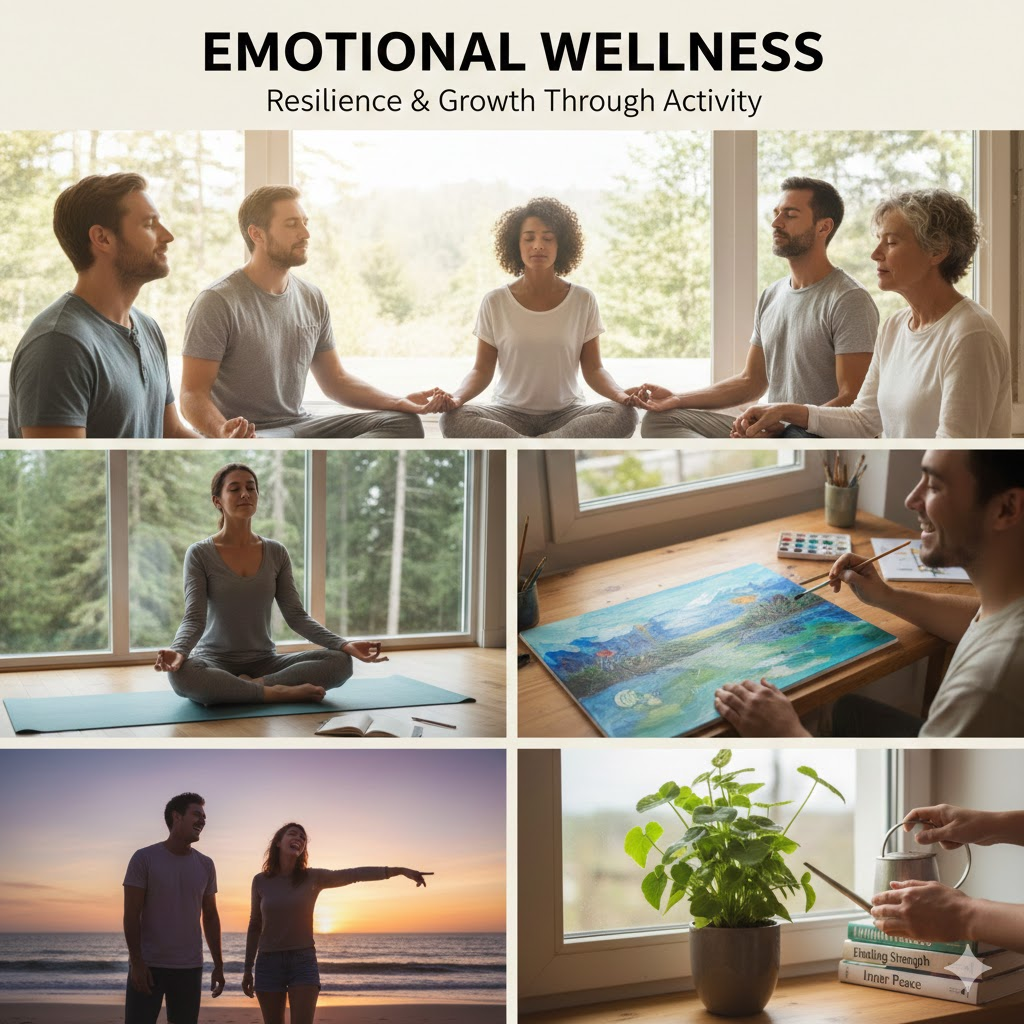
Mindfulness involves staying present and fully engaging with the current moment. Research indicates that mindfulness meditation can significantly improve emotional regulation. By practicing mindfulness, you can observe your thoughts and feelings without judgment, leading to greater clarity in managing them.
Real-Life Example: Consider Sarah, a busy professional who often felt overwhelmed by work deadlines. After incorporating mindfulness meditation into her daily routine, she learned to pause and breathe, allowing her to respond to stress with a sense of calm rather than reacting impulsively.
2. Deep Breathing Techniques
Deep breathing is a simple yet powerful tool for emotional regulation. It activates the body’s relaxation response, promoting nervous system balance. Techniques such as diaphragmatic breathing can help reduce anxiety and lower heart rates.
Expert Insight: Dr. Emma R. Houghton, a clinical psychologist, emphasizes, “Deep breathing techniques can ground you in the present and provide immediate relief from stress, making them a vital part of emotional regulation.”
3. Journaling
Writing down your thoughts and feelings can provide clarity and perspective. Journaling allows you to process stress, identify triggers, and develop strategies for coping with overwhelming emotions.
Research-Backed Data: A study published in the Journal of Clinical Psychology found that expressive writing significantly reduces symptoms of stress and improves emotional well-being.
4. Cognitive Reframing
Cognitive reframing involves changing your perspective on a situation to alter its emotional impact. By identifying negative thought patterns and replacing them with more positive or realistic ones, you can reduce feelings of overwhelm.
Example: Instead of thinking, “I can’t handle this workload,” try reframing it to, “I can take this one step at a time.” This shift in thinking can help alleviate stress and enhance emotional resilience.
Building Emotional Resilience
Emotional resilience is the ability to bounce back from adversity. Developing this trait is essential for effectively managing overwhelm and burnout. Here are some strategies to cultivate emotional resilience:
1. Foster Strong Relationships
Building a support network of friends, family, and colleagues can provide a buffer against stress. Sharing your feelings and seeking support can enhance your emotional regulation skills.
2. Set Boundaries
Learning to say no and establishing clear boundaries is crucial in preventing overwhelm. This means recognizing your limits and prioritizing self-care.
3. Engage in Physical Activity
Exercise is a powerful tool for emotional regulation. Physical activity releases endorphins, which can elevate mood and reduce stress levels. Finding an activity you enjoy, whether it’s yoga, running, or dancing, can provide both physical and emotional benefits.
Stress Processing Techniques
In addition to emotional regulation skills, effectively processing stress is vital for maintaining well-being. Here are some techniques to help you process stress:
1. Identify Stress Triggers
Understanding what causes your stress is the first step in managing it. Keep a stress diary to track situations that trigger overwhelming feelings, and reflect on your responses.
2. Practice Self-Compassion
Being kind to yourself during stressful times is essential. Instead of criticizing yourself for feeling overwhelmed, practice self-compassion by acknowledging that it is okay to struggle sometimes.
3. Seek Professional Help
If feelings of overwhelm and burnout persist, consider seeking support from a mental health professional. Therapy can provide valuable tools for emotional regulation and stress processing.
Conclusion
Emotional regulation skills are vital for managing overwhelm and burnout in today’s fast-paced world. By implementing mindfulness practices, deep breathing techniques, and cognitive reframing, you can develop a healthier relationship with your emotions. Building emotional resilience through strong relationships and self-care will further enhance your ability to navigate life’s challenges. Remember, it’s okay to seek help when needed; taking care of your emotional health is a crucial step toward a balanced life.
FAQs
1. What are emotional regulation skills? Emotional regulation skills involve managing and responding to one’s emotions effectively, helping to maintain mental health and well-being.
2. How can mindfulness help with stress? Mindfulness helps individuals stay present and engaged, reducing anxiety and enhancing emotional clarity through techniques like meditation and deep breathing.
3. What are some signs of burnout? Signs of burnout include physical fatigue, emotional exhaustion, irritability, and decreased productivity, often resulting from prolonged stress.