Why Does Micro Habit Stacking Change Your Future in 5 Minutes?


Small actions create extraordinary results when stacked intentionally. Micro habit stacking is a simple yet powerful approach to sustainable growth. Instead of trying to overhaul your life overnight, this method leverages tiny, consistent habits that compound over time. Readers familiar with basic habit formation already know that discipline matters, but consistency and structure are what turn effort into real transformation. Micro habit stacking is the bridge between intention and daily execution, helping you build momentum without burnout.
Growth doesn’t require drastic measures. It’s the accumulation of micro-actions, layered thoughtfully, that leads to long-term progress. With habit stacking, each small behavior triggers the next, creating a chain of positive outcomes. Over time, these linked actions not only become effortless but also create an identity shift—one where personal and professional development feel natural and sustainable.
Why Micro Habit Stacking Amplifies Habit Momentum
Micro habit stacking works because it leverages momentum. Momentum in habits is the tendency for repeated behavior to grow stronger when built on an existing foundation. Attempting major changes without a structured approach often fails because it requires constant motivation. Habit momentum, however, allows behaviors to continue automatically.
Stacking small habits ensures that progress is continuous rather than sporadic. Even minor daily improvements compound into significant results over weeks and months. Micro habit stacking is about creating a chain of positive actions that reinforce one another, making growth sustainable. The psychological effect of this method is profound—small wins build confidence, which fuels further consistency.
The Science Behind Micro Habits and Consistency Strategies
Micro habits succeed because of the brain’s neural pathways. Each repeated behavior strengthens the synaptic connections associated with that action. Over time, these pathways become automatic. Habit stacking uses cues, routines, and rewards to reinforce behavior. A single micro habit may seem insignificant, but when layered thoughtfully, the effect multiplies.
Consistency strategies are essential. Even small habits fail if they lack repetition and structure. Experts recommend starting with manageable actions, anchoring them to existing routines, and celebrating small wins to maintain momentum. Habit tracking, whether digital or analog, provides the feedback needed to reinforce consistency and adjust habits as required.
Identifying Anchor Habits for Effective Stacking
Choosing Daily Habits That Serve as Anchors
Anchor habits are existing routines that naturally cue a new behavior. For instance, brushing your teeth can trigger a one-minute meditation or journaling practice. The key is reliability—choose habits that already occur daily and consistently. Anchors reduce decision fatigue, making habit adoption effortless.
Avoiding Common Anchor Habit Mistakes
Not all routines make effective anchors. Avoid selecting habits that are inconsistent or cognitively taxing. Forcing a new behavior into an unnatural trigger can cause frustration and drop-off. Instead, observe your daily patterns and select anchors that are stable and contextually relevant.
Designing Your Micro Habit Stacking System
Layering Habits Without Overwhelm
Start small. Add one micro habit at a time to a reliable anchor. Once the first habit feels automatic, introduce the next. Overlapping multiple new habits too soon leads to stress and reduces adherence. Gradual layering ensures habits are sustainable and enjoyable rather than burdensome.
Prioritizing Habits for Maximum Daily Improvement
Not all micro habits are equally impactful. Focus on actions that create meaningful change. High-impact micro habits might include brief exercises, reading, meditation, or journaling. Less impactful actions, while beneficial, should be secondary to ensure energy and focus go toward habits that compound growth.
- Start with habits that influence energy and mood first, such as hydration, movement, or mindfulness
- Prioritize cognitive habits like reading, planning, or learning that enhance professional skills
- Include relational habits like expressing gratitude or checking in with loved ones to reinforce social support
Tracking and Maintaining Habit Momentum
Monitoring habits is crucial for sustaining momentum. Habit tracking increases accountability, highlights progress, and reinforces consistency. Tools can range from simple journals to apps that send reminders and track streaks. Visual feedback strengthens the psychological reward system, making habits more automatic.
Adjusting Stacks for Plateaus or Setbacks
Even the most well-designed stacks can plateau. When progress stalls, review the system. Adjust timing, sequence, or the complexity of habits. Reduce the load temporarily to maintain adherence or modify triggers if habits are consistently missed. Adaptation is a sign of long-term sustainability, not failure.
Integrating Micro Habit Stacking Into Different Areas of Life
Micro habit stacking is versatile. It can improve personal growth, health, productivity, and relationships. By integrating micro habits into multiple domains, you reinforce alignment between daily actions and life goals.
Micro Habits for Mental and Emotional Wellbeing
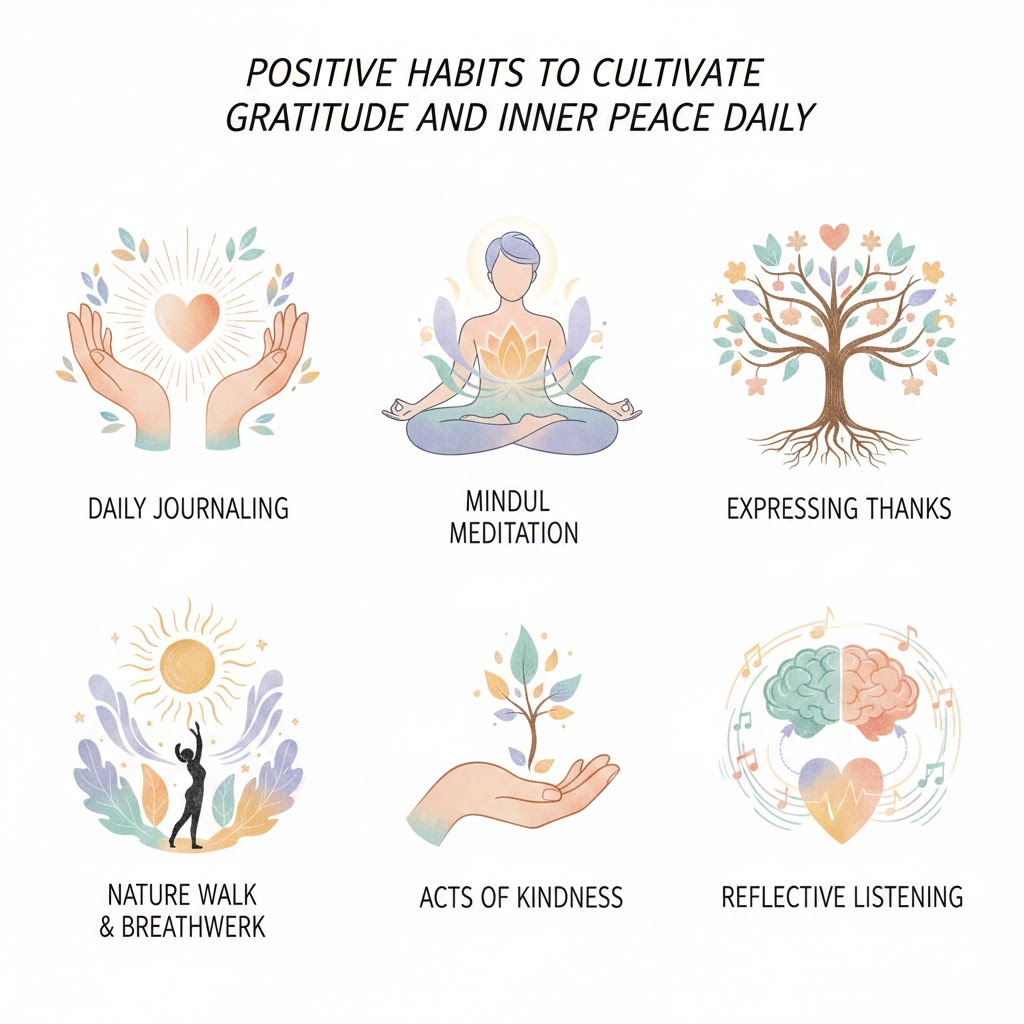
Small daily practices, such as gratitude journaling, mindful breathing, or short reflection exercises, can significantly enhance emotional resilience. Stacking these habits after routine tasks, like after morning coffee or before bed, ensures they become automatic.
Micro Habits for Productivity and Career Growth
Link micro habits to professional routines. For example, reviewing daily priorities after checking emails or reflecting on accomplishments after meetings, creates consistent progress. Over time, these micro improvements compound, increasing output and effectiveness while reducing decision fatigue.
Overcoming Challenges in Micro Habit Stacking
Consistency is the primary challenge. Motivation may fluctuate, leading to skipped actions. Overcomplication is another barrier—adding too many habits too soon overwhelms the system. Expert strategies include:
- Starting with micro habits under five minutes
- Using pre-existing anchors to reduce effort
- Tracking progress visually for reinforcement
- Allowing flexibility to avoid discouragement from missed habits
Recognize that temporary setbacks are part of the process. Habit stacking is about sustainable growth, not perfection.
Advanced Micro Habit Stacking Techniques
Once foundational stacks are consistent, you can layer multiple sequences for compound growth. For example, a morning stack might include hydration, stretching, journaling, and planning, all triggered sequentially. Sequencing habits according to cognitive and physical readiness ensures efficiency and reduces friction.
Regular reflection and review optimize future stacks. Assess which habits yield the most impact, and adjust accordingly. Advanced stacking is strategic—it considers both mental energy and long-term goals rather than sheer quantity of habits.
Measuring Long-Term Impact of Micro Habit Stacking
Tracking progress is more than counting completed actions. Evaluate long-term impact by assessing behavior changes over 30, 60, and 90-day cycles. Metrics can include energy levels, productivity, emotional well-being, or skill development. Consistent measurement allows for refinement and prevents stagnation. The real benefit of micro habit stacking is compounding improvement over months and years, leading to sustainable growth without burnout.
Frequently Asked Questions
What is micro habit stacking?Micro habit stacking is linking small, repeatable habits to existing routines to create a chain of positive behaviors that compound over time.
How does habit momentum work?Habit momentum occurs when repeated micro actions reinforce each other. Consistency makes behavior automatic, creating a compounding effect that grows results steadily.
Can micro habit stacking work for busy people?Yes. Because micro habits are small and anchored to existing routines, even the busiest individuals can integrate them without major time investment.
How many habits should I stack at once?Start with one or two micro habits per anchor. Gradually add more once the initial habits become automatic. Overloading leads to inconsistency.
What areas of life can micro habit stacking improve?It can improve health, productivity, mental and emotional well-being, relationships, and personal development, depending on which habits you choose.