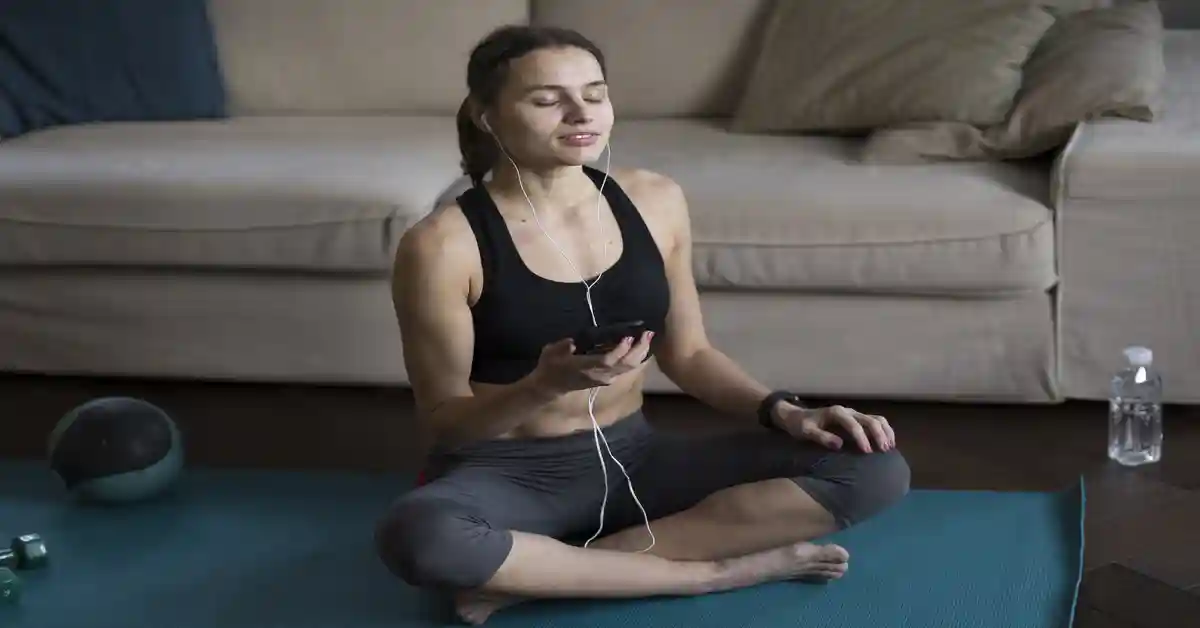
Why Does Silent Retreat Meditation Reveal Your Deepest Truths?

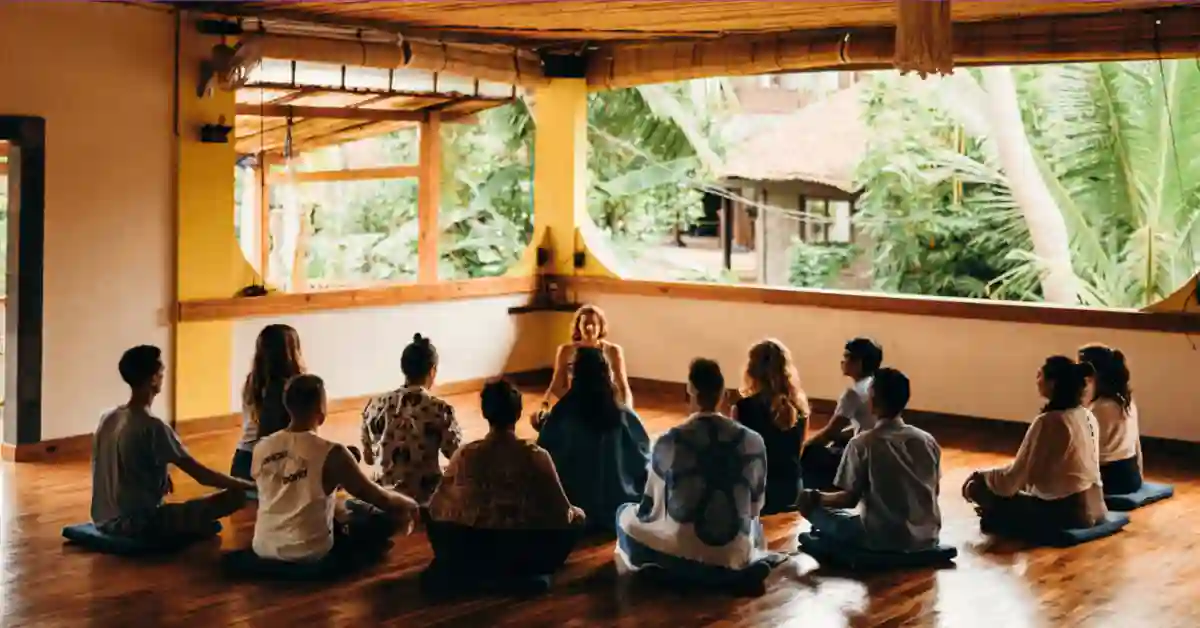
Silence has a way of stripping life down to its essentials. When conversation, devices, and constant stimulation fall away, what remains is the raw experience of being with yourself. Silent retreat meditation is not about escaping the world. It is about meeting it from a deeper place. For experienced meditators, silence becomes a powerful teacher, revealing habits of thought, emotional undercurrents, and subtle layers of awareness that everyday life often conceals. This is where inner stillness is no longer an idea but a lived experience shaped through extended meditation sessions and intentional retreat preparation.
Why Silence Becomes Transformational in Extended Meditation Retreats
Silence changes the way attention functions. In daily life, awareness is fragmented by speech, reaction, and constant input. In a silent retreat meditation setting, attention gathers inward. The absence of verbal expression forces the mind to confront itself without distraction. Extended meditation sessions create continuity, allowing awareness to deepen rather than reset every few minutes. Over time, silence begins to feel less like an absence and more like a presence, steady and spacious.
What makes silence transformative is duration. A few quiet hours can calm the mind, but several days of silence reorganize perception. Mental chatter loses urgency. Sensory experiences sharpen. Emotional patterns surface with clarity. Inner awareness becomes embodied rather than conceptual. Silence stops being something you endure and becomes something that carries you.
The Psychology of Silence in Silent Retreat Meditation
Silence has a psychological effect that is often underestimated. Without conversation, the mind amplifies its own content. Thoughts become louder at first. Memories surface. Emotions intensify. This is not a failure of practice. It is a natural response to reduced external input. Silent retreat meditation works precisely because it reveals what usually stays hidden beneath noise.
As days pass, the mind begins to settle. The need to comment internally weakens. Awareness shifts from narrative thinking to direct experience. This transition is subtle but profound. Inner stillness emerges not because thoughts disappear, but because they lose their grip. Silence becomes a mirror, reflecting mental habits without judgment and allowing space for change.
Retreat Preparation Beyond Packing and Scheduling
Mental Conditioning Before Entering Extended Meditation Sessions
Retreat preparation begins long before arrival. Experienced practitioners understand that mental conditioning determines the depth of a silent retreat meditation experience. Preparing the mind involves releasing expectations of insight or transformation. Silence does not perform on demand. When expectations soften, awareness becomes receptive.
Reducing stimulation before retreat helps the mind transition more smoothly. Limiting media, simplifying routines, and slowing daily pace signal the nervous system that a shift is coming. Setting a clear intention, without rigid goals, provides direction without pressure. The mind learns to enter silence willingly rather than defensively.
Nervous System Readiness for Prolonged Silence
Extended meditation sessions place demands on the nervous system. Entering a retreat already exhausted or overstimulated can make silence feel overwhelming. Preparation includes rest, hydration, and gentle movement in the days leading up to the retreat. Inner stillness requires a foundation of physiological safety.
Silent Retreat Meditation Practices That Deepen Inner Awareness
Sitting Meditation Structures for Long Silent Periods
Sitting meditation during a silent retreat is less about technique and more about relationship. Posture becomes an anchor, supporting alertness without rigidity. In extended meditation sessions, the challenge is not distraction but endurance. Balancing effort and relaxation allows awareness to remain steady without collapse.
Attention is guided gently toward the present moment. When the mind drifts, it is guided back without commentary. Over time, this simplicity deepens. Silence reveals layers of stillness beneath movement, teaching patience and humility.
Walking Meditation as an Extension of Stillness
Walking meditation plays a vital role in silent retreat meditation. Movement integrates awareness into the body, preventing stagnation. Each step becomes an opportunity to practice continuity of attention. The rhythm of walking stabilizes the mind and grounds insight.
Experienced practitioners treat walking meditation not as a break, but as a continuation of stillness in motion. Awareness remains embodied. The transition between sitting and walking becomes seamless, reinforcing inner awareness across postures.
Transitional Awareness Between Meditation Sessions
The spaces between formal sessions shape the retreat experience. Eating, resting, and simple tasks become extensions of meditation. Maintaining silence during these moments deepens inner stillness. The mind learns that awareness is not confined to the cushion.
This continuity is where silent retreat meditation reveals its depth. Inner awareness permeates daily actions. Silence becomes a way of being rather than a rule to follow.
Navigating Psychological Challenges During Silent Retreat Meditation
Challenges are inevitable. Boredom, restlessness, and doubt often surface during extended meditation sessions. Silence removes distractions, leaving the mind to face its own resistance. Rather than obstacles, these experiences are teachers. They reveal patterns of avoidance and control.
Emotions may intensify. Memories may arise unexpectedly. Inner stillness can feel unsettling before it feels peaceful. The key is allowing experience without dramatizing it. Awareness holds everything. Over time, what felt difficult often becomes a doorway to clarity and compassion.
The Role of Discipline and Structure in Silent Retreats
Structure supports freedom. A consistent schedule creates predictability, allowing the mind to relax. Discipline is not about rigidity. It is about showing up repeatedly, even when motivation fluctuates. Extended meditation sessions rely on this commitment.
Working skillfully with fatigue and resistance requires discernment. Rest is honored when needed. Effort is applied gently. This balance allows silence to deepen without strain. Structure becomes a container within which inner awareness can unfold naturally.
Deepening Inner Stillness Without Forcing Insight
Insight cannot be forced. Silent retreat meditation teaches this lesson repeatedly. When striving loosens, awareness expands. Inner stillness emerges as a byproduct of presence, not a goal achieved through effort.
Letting go of the need for breakthrough experiences allows subtle insights to arise. Small shifts in perception accumulate. Trust grows. Silence becomes familiar and supportive. This is the quiet maturation of practice that experienced meditators recognize as true depth.
Integrating Silent Retreat Experiences Into Daily Life
Integration begins the moment silence ends. Returning to noise and interaction can feel jarring. The challenge is carrying inner stillness into daily life without clinging to retreat conditions. Simple practices, such as brief moments of silence or mindful breathing, help bridge the transition.
Inner awareness cultivated during retreat informs daily choices. Responses soften. Listening deepens. Silence continues to influence perception even amid activity. Integration is not about preserving retreat calm, but about allowing insight to shape engagement with the world.
When Silent Retreat Meditation Requires Adjustment or Support
Silent retreat meditation is powerful, but not always gentle. Emotional overload or dissociation can occur, especially during extended meditation sessions. Recognizing these signs is an act of wisdom. Adjusting intensity, increasing grounding practices, or seeking guidance supports safety.
Expert teachers emphasize that silence should never feel punitive. Support and flexibility ensure that inner awareness develops within a container of care. Knowing when to adjust is part of mature practice.
Final Reflections
Silence is not empty. It is rich, alive, and revealing. Silent retreat meditation offers a rare opportunity to listen deeply, not only to the mind, but to the quiet intelligence beneath it. Inner awareness grows through patience, honesty, and sustained presence. Extended meditation sessions and thoughtful retreat preparation create the conditions for this growth. The impact is subtle but lasting, shaping how you meet the world with clarity and calm.